


- Programs
Our Program Areas
Sexual Reproductive Health and Rights
Our SRHR programs combine girls' education with comprehensive health rights initiatives addressing the interconnected challenges faced by adolescents in our community through a feminist, girl-centered approach.
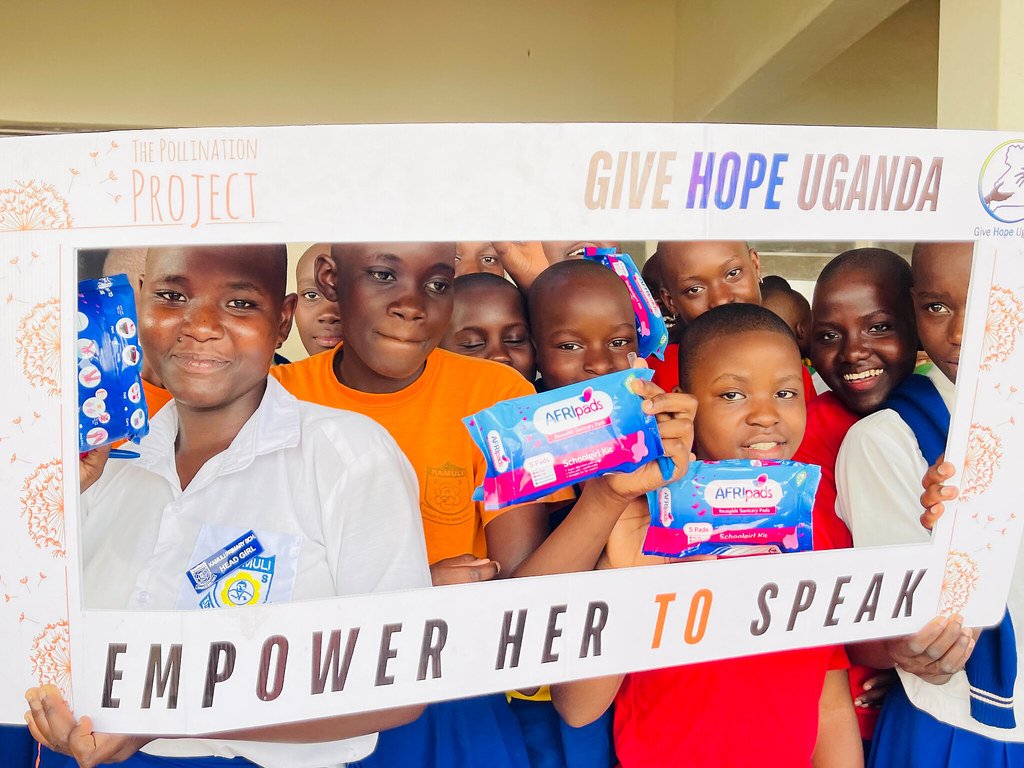
Menstrual Health Management
Comprehensive menstrual health education and facilities in schools and communities reducing absenteeism and fostering dignity so girls can actively participate in their education.
Safe Spaces
Secure, supportive environments free from gender-based violence and discrimination — backed by training for teachers and staff to address girls' unique challenges.
Sex Education
Age-appropriate sexuality education integrated into school curricula, empowering girls with knowledge to make informed decisions about their bodies, relationships, and futures.
Peer Education
Older girls take on educator roles, creating a platform of shared learning and open dialogue on SRHR topics in a safe, peer-supported environment.
Community Engagement
Workshops that bring parents and community members together to challenge cultural norms, building shared responsibility for girls' health and education.
Healthcare Access
Partnerships with local healthcare providers to ensure girls access confidential, youth-friendly sexual health services including contraception and STI prevention.
Feminist Mentorship for Girls
Facilitators build trusting, empowering relationships that center girls' voices and reinforce their inherent right to knowledge about their own bodies and health.
Early Marriage Prevention
Community awareness campaigns and targeted support for at-risk girls to break the cycle of child marriage and protect girls' right to education.
Water, Sanitation & Hygiene (WASH)
Safe water, dignified sanitation, and healthy hygiene are not privileges they are fundamental human rights and the foundation upon which health, dignity, and education are built.
Water
Ensuring clean, reliable access to safe water sources for households, schools, and health facilities in the communities we serve.
Sanitation
Constructing and promoting safe, dignified sanitation facilities including gender-separated latrines in schools that protect health and privacy.
Hygiene
Delivering community education and behaviour change programs that embed sustainable, healthy hygiene practices especially hand washing across all ages.
- Wash program
Why WASH matters to us
In many communities across Kira Municipal Council, limited access to clean water and safe sanitation continues to undermine health outcomes and school attendance particularly for girls and women. Menstruating girls without adequate facilities face the choice between their dignity and their education. Children drinking unsafe water miss school to illness. Women and girls bear the heaviest burden of water collection, consuming time that could be spent learning or earning.
At Give Hope Uganda, our WASH programming is deeply connected to our broader mission of advancing girls' rights and well-being. We treat WASH not as a standalone technical intervention, but as a platform for dignity, inclusion, and community empowerment.
- Monitoring and Accountability
Tracking outcomes and gathering community feedback to ensure WASH programs remain effective, inclusive, and responsive to local needs.
- WASH in Schools
Supporting schools with safe water points, gender-separated latrines, and menstrual hygiene facilities to keep girls in school.
- Community Hygiene Education
Running community-led hygiene promotion sessions that build lasting behaviour change around hand washing, safe water handling, and waste disposal.
- Safe Water Access
Working with communities and local authorities to improve access to clean, reliable water reducing waterborne illness and the burden of water collection.
- MHM and WASH Integration
Integrating menstrual health management into WASH programming so girls have the facilities, products, and knowledge to manage their periods with dignity
- Local Partnership
Collaborating with local NGOs, government health units, and water authorities to maximise reach and sustainability of WASH interventions.
Talk to Us we bring change Together